Opening a new restaurant comes with a long list of purchasing decisions, and takeout packaging is one that can make or break your early customer experience. The right containers protect food quality, control costs, and give your brand a professional look from day one. KitchenDance helps new restaurant operators choose reliable disposable packaging that fits their menu and budget.
This checklist walks you through seven key steps for building a takeout packaging plan before you place your first bulk order.
Quick Guide: How to Build a Takeout Packaging Checklist
- Assess Your Menu and Packaging Needs — Match each dish category to the container type that keeps it at the right temperature and prevents leaks.
- Choose the Right Container Materials — Compare aluminum, polypropylene, foam, molded fiber, and paperboard based on food type and durability.
- Prioritize Lid Security and Leak Resistance — Select containers with tight-fitting or tamper-evident lids to protect food during delivery and transport.
- Right-Size Your Containers for Portion Control — Pick container sizes that match your portions to cut waste and reduce per-order packaging costs.
- Evaluate Vendor Reliability and Shipping Terms — Compare supplier lead times, minimum order quantities, and shipping costs before committing.
- Calculate Total Cost Per Order — Factor in unit price, shipping, storage, and waste to get an accurate picture of your packaging spend.
- Build a Reorder Schedule and Inventory Plan — Set reorder points based on weekly order volume so you never run out during a busy shift.
How to Create a Takeout Packaging Purchasing Checklist
1. Assess Your Menu and Packaging Needs
Start by listing every dish on your takeout menu and grouping items by temperature and consistency. Hot, saucy entrees need heat-tolerant containers that resist oil penetration. Cold salads and sandwiches require breathable packaging that prevents condensation and sogginess.
Soups and liquid-heavy dishes demand leak-proof containers with secure snap-on lids. Fried foods stay crispier in vented containers that release steam. Multi-compartment containers work well for combo meals, eliminating extra bags or wraps and streamlining your packing process.
2. Choose the Right Container Materials
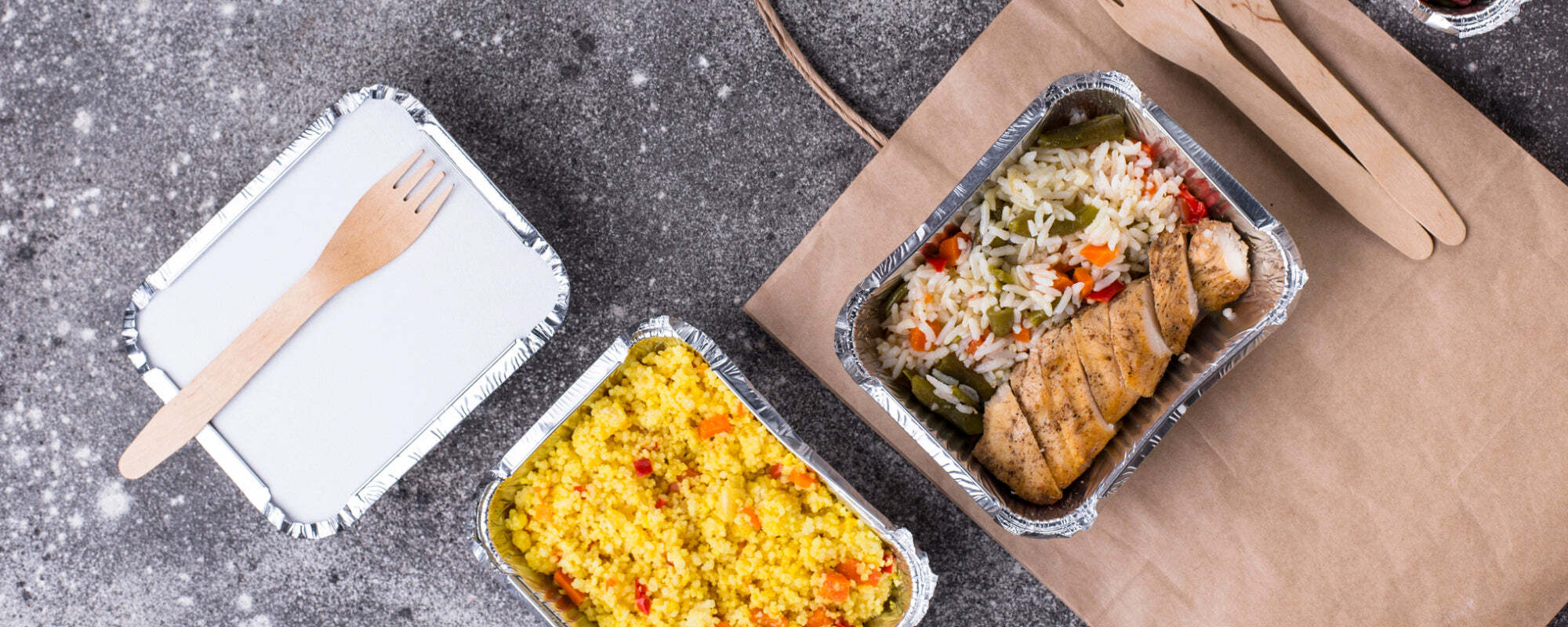
Each material performs differently depending on the food it holds. Aluminum foil pans are oven-safe, recyclable, and handle hot entrees, casseroles, and baked dishes with ease. KitchenDance Aluminum Foil Pans come in hundreds of formats, from shallow take-out pans to deep casserole containers, all ready to ship.
Polypropylene containers are microwave-safe, crack-resistant, and ideal for reheatable meals. They hold up well with heavy, saucy foods and offer a professional look for grab-and-go service.
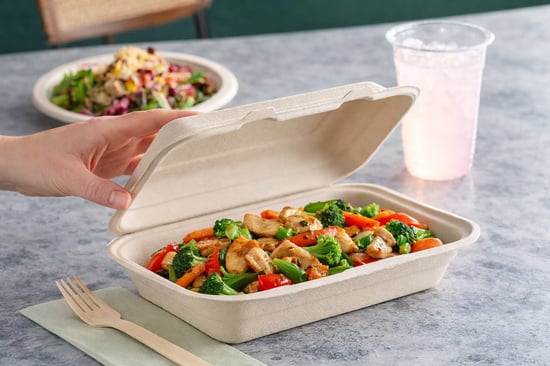
Molded fiber containers made from renewable plant-based fibers give you a sturdy, compostable option for operators who want eco-friendly packaging. KitchenDance also carries Earth Smart containers made from compostable pressed paperboard for both hot and cold foods.
3. Prioritize Lid Security and Leak Resistance
Leaking containers are one of the fastest ways to lose a new customer. According to the National Restaurant Association's 2025 Off-Premises Restaurant Trends report, 90% of off-premises customers said they would order a greater variety of food for takeout if upgraded packaging maintained food temperature and quality.
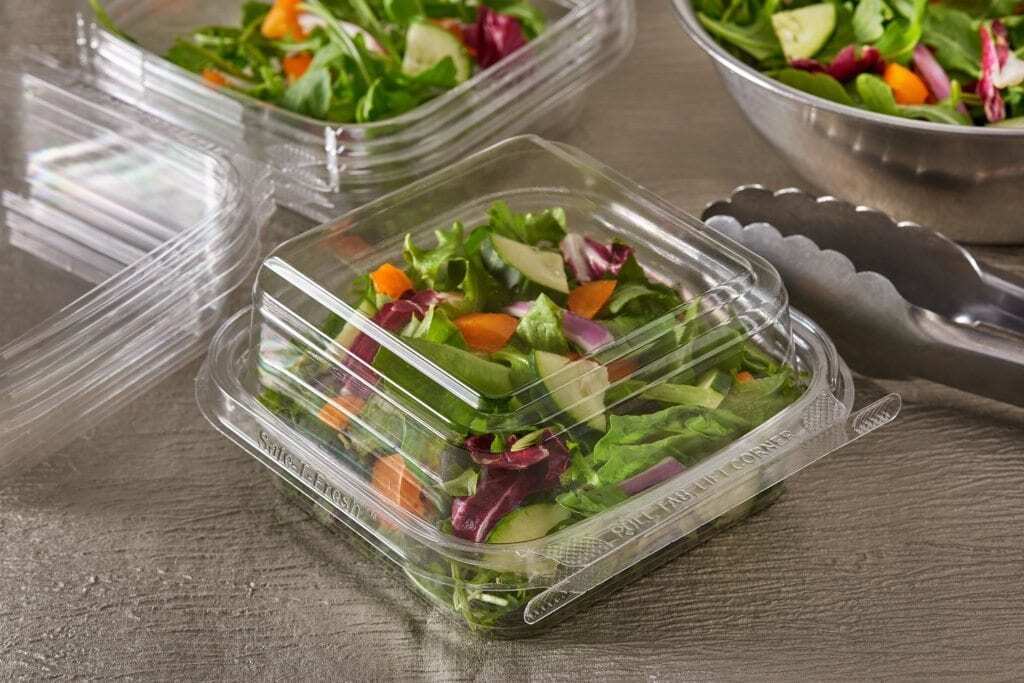
Look for containers with snap-lock mechanisms or crimp-on lids that create a tight seal. Tamper-evident containers, like the Safe-T-Fresh line available at KitchenDance, offer patented locking designs that show customers the package hasn't been opened before delivery.
For soups and stews, confirm that lids are vented to manage pressure during transport. A lid that pops open inside a delivery bag turns one spill into a lost customer and a refund.
4. Right-Size Your Containers for Portion Control
A container that's too large wastes material and raises your cost per order. One that's too small causes spills and makes portions look skimpy. Test your top three to five dishes in different container sizes before placing a bulk order.
KitchenDance offers aluminum foil pans in over 300 sizes, which means you can find precise fits for everything from individual entrees to family-size servings. Standardizing to three or four container sizes simplifies your kitchen workflow and helps staff pack orders faster during peak hours.
Stackable containers also save valuable storage space, letting you store more inventory in less room.
5. Evaluate Vendor Reliability and Shipping Terms
Running out of containers during a Friday dinner rush is preventable. Before committing to a vendor, check their lead time, minimum order quantity, and return policy. Request samples so you can test containers with your actual dishes first.
Look for suppliers who stock products for immediate shipment rather than requiring long production timelines. KitchenDance keeps its full catalog ready to ship, which means you can restock quickly when demand spikes. A supplier who maintains consistent inventory reduces the risk of mid-week stockouts.
6. Calculate Total Cost Per Order
Your true packaging cost per order includes the container, lid, bag, utensils, napkins, and any labels you add. Factor in shipping fees divided across units, and the real cost per order is often higher than the sticker price suggests.
Buying in bulk cases reduces per-unit cost significantly. Many restaurant operators who order by the case instead of by the sleeve save enough over a quarter to reinvest in higher-quality containers. KitchenDance Shallow Take-Out Pans and Bakery Boxes, for example, are available in case quantities that bring down the per-unit cost for high-volume operations.
Track your packaging spend monthly as a percentage of takeout revenue. Industry guidance suggests budgeting 3% to 6% of revenue for disposable packaging supplies.
7. Build a Reorder Schedule and Inventory Plan
Set a reorder point for each container type based on your average weekly takeout volume. If you go through 500 clamshell containers per week, set a reorder trigger at 600 units so you have a buffer for unexpected rushes.
Keep a simple tracking sheet listing each packaging item, current stock level, reorder point, and preferred supplier. Review it weekly so midweek orders arrive before the weekend rush. Standardizing to a small number of container types makes tracking easier and speeds up training for new staff.
What Should New Restaurant Owners Know About Sustainable Takeout Packaging?
Several U.S. states now restrict foam containers and require compostable or recyclable alternatives. Compostable options like molded fiber and pressed paperboard handle hot and cold foods well while meeting these standards.
Recyclable aluminum pans offer another pathway, since aluminum is infinitely recyclable and widely accepted in curbside programs. You don't need to switch everything at once. Start with one or two high-visibility items and expand from there.
How Does Container Choice Affect Customer Retention for Takeout?
Your packaging is the only physical touchpoint a delivery customer has with your restaurant. A container that leaks or traps steam tells the customer your food isn't worth reordering. A sturdy, well-sealed container tells them you care about every detail.
Presentation-ready packaging also reinforces your restaurant's identity. KitchenDance Colored Food Service Pans combine disposable convenience with decorative finishes that make dishes stand out, even in a delivery bag. Investing in reliable packaging early builds the repeat orders that drive sustainable growth.
How KitchenDance Helps You Build Your Takeout Packaging Plan
KitchenDance gives new restaurant operators a single source for deli containers, foil pans, bakery containers, and food service disposables. With over 300 aluminum foil pan formats, polypropylene take-out containers, molded fiber options, and tamper-evident packaging, you can match every dish on your menu to the right container from one supplier.
Every product is ready to ship from Louisville, Kentucky, backed by a team that genuinely cares about your success. KitchenDance has supported restaurants, bakeries, and caterers for over two decades.
Ready to stock your new restaurant? Browse the full take-out packaging collection and start building your checklist today.
FAQs About Takeout Packaging for New Restaurants
What types of takeout containers work for hot and cold foods?
Aluminum foil pans and polypropylene containers handle hot foods because they resist heat and oil. For cold items, clear plastic containers keep food visible and prevent condensation. KitchenDance carries both so you can cover your full menu from one supplier.
How many container sizes should a new restaurant stock?
Three to five sizes covers most menus. Stock a small container for sides, medium for entrees, large for family portions, a soup cup, and a compartment option for combos. Keeping it simple reduces confusion and speeds up packing.
How can I reduce takeout packaging costs without hurting food quality?
Buy in bulk case quantities, standardize your container selection, and right-size containers to match your portions. KitchenDance offers case-based ordering across its full product range, which helps you bring down per-unit cost while maintaining packaging quality.
What is tamper-evident packaging and why does it matter?
Tamper-evident containers have seals or locking tabs that show visible evidence if the package has been opened. This builds trust with delivery customers. KitchenDance stocks Safe-T-Fresh containers with this technology.
How do I know if my packaging supplier is reliable?
Check whether the supplier keeps products ready to ship, offers samples, and publishes clear shipping terms. KitchenDance maintains ready-to-ship inventory and responsive support so you can restock without delays.