
As winter fades and temperatures begin to rise, customer cravings shift just as quickly as the weather. Heavy, rich comfort foods that once felt satisfying can suddenly feel overwhelming. In their place, diners start looking for meals and desserts that are lighter, fresher, and more vibrant. For food businesses, this seasonal transition isn’t just about swapping ingredients, it’s about understanding menu psychology, minimizing waste, and strategically evolving your offerings without starting from scratch.
This guide breaks down exactly how to transition your menu from winter comfort foods to spring favorites in a way that keeps customers engaged, reduces costs, and boosts sales.
Why Seasonal Menu Transitions Matter
Customers don’t just eat with their taste buds, they eat with their emotions and environment.
During winter, people naturally gravitate toward:
- Warm, hearty dishes
- Rich flavors like chocolate, caramel, and cream
- Comfort-driven meals
As spring approaches, those preferences shift toward:
- Fresh, bright flavors
- Lighter textures
- Visually appealing, colorful dishes
If your menu doesn’t evolve with these expectations, it can feel out of sync even if your food is still high quality.
Read more: 10 Spring Recipes to Welcome the New Season
Understanding Menu Psychology in Seasonal Shifts
Before making changes, it’s important to understand why customers want different foods in spring.

1. Lighter Feels Healthier
After months of indulgent winter eating, many customers look for meals that feel “cleaner” or less heavy, even if they aren’t strictly healthy.
2. Visual Appeal Becomes More Important
Spring menus benefit from:
- Bright colors (berries, greens, citrus)
- Fresh garnishes
- Clean presentation
People associate these visuals with freshness and quality.
3. Temperature Influences Cravings
As outdoor temperatures rise, demand for:
- Heavy baked dishes decreases
- Cold or room-temperature items increases
4. Freshness Signals Quality
Words like “fresh,” “seasonal,” and “light” become powerful drivers in customer decision-making.
Step 1: Gradually Swap Heavy Ingredients for Lighter Alternatives
A full menu overhaul is unnecessary, and often wasteful. Instead, focus on strategic ingredient swaps that transform existing dishes.
Replace Heavy Flavors with Bright Ones
| Winter Ingredient | Spring Alternative |
|---|---|
| Chocolate | Citrus (lemon, orange, lime) |
| Caramel | Fresh berries or fruit compotes |
| Heavy cream | Yogurt, whipped ricotta, or coconut milk |
| Molasses | Honey or agave |
| Nuts (heavy desserts) | Seeds or light crunch toppings |
Example Transformations
Chocolate Cake → Lemon Berry Cake
- Keep the base structure
- Swap cocoa for citrus zest
- Add fresh berries instead of ganache
Caramel Cheesecake → Strawberry Swirl Cheesecake
- Replace caramel topping with fruit puree
- Add fresh strawberry garnish
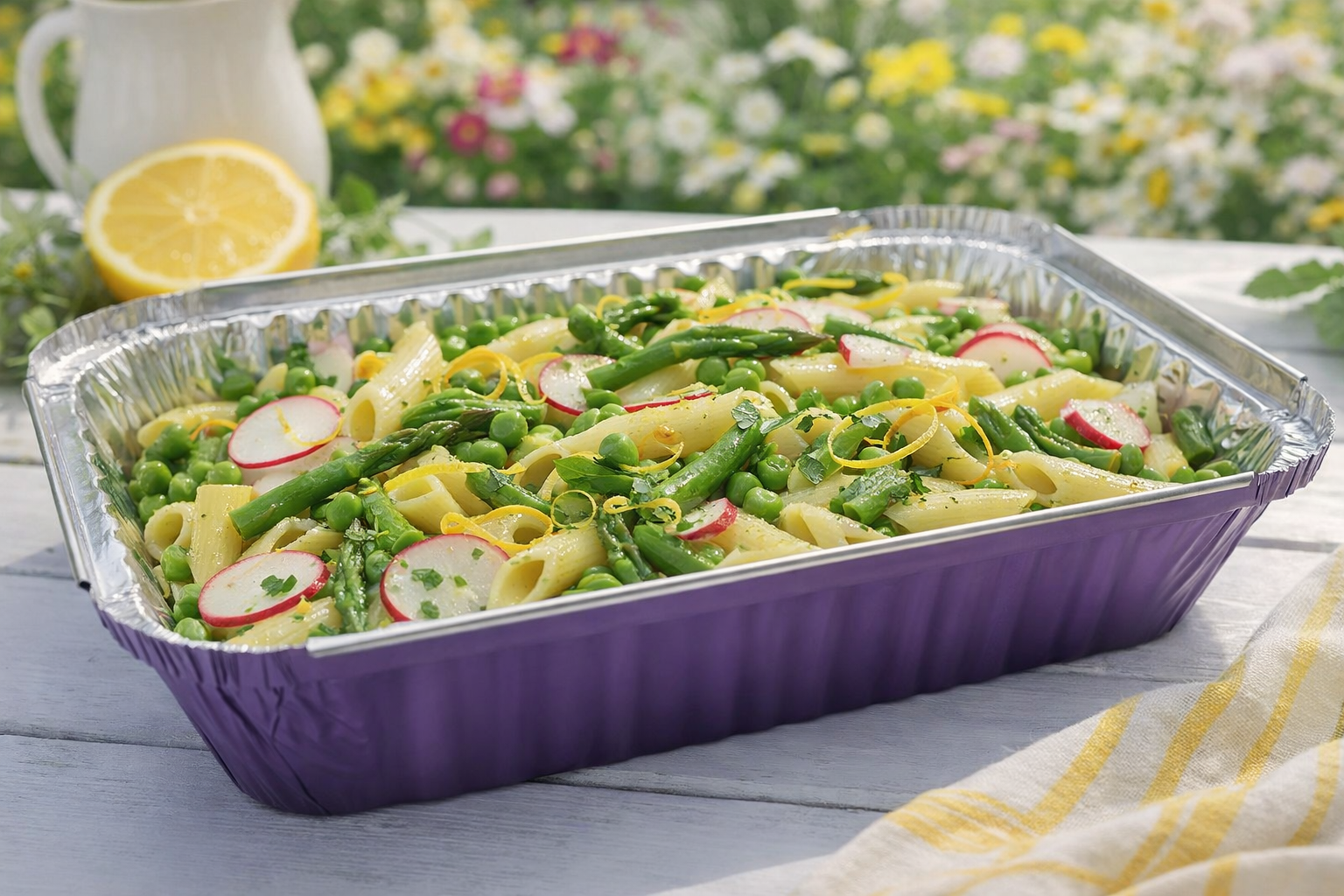
Rich Pasta → Spring Vegetable Pasta
- Reduce cream sauce
- Add olive oil, lemon juice, and fresh herbs
💡 Key takeaway: You don’t need new recipes, just new flavor profiles.
Step 2: Lighten Texture Without Sacrificing Satisfaction
Texture plays a major role in how “heavy” a dish feels.
Ways to lighten texture:
- Use whipped elements instead of dense fillings
- Incorporate fresh fruits or vegetables
- Reduce baking time slightly for softer finishes
- Replace thick sauces with drizzles or emulsions
Example:
Instead of a dense chocolate mousse:
- Create a light citrus mousse with airy consistency
- Serve in smaller portions with fresh toppings
This keeps the indulgent experience while aligning with spring expectations.
Step 3: Use Seasonal Ingredients Strategically
Spring ingredients naturally align with customer cravings.
High-demand spring ingredients:
- Strawberries
- Blueberries
- Lemons and limes
- Asparagus
- Spinach
- Fresh herbs (mint, basil)
Why this matters:
- Enhances flavor naturally
- Reduces need for heavy additives
- Signals freshness to customers
Step 4: Modify Existing Recipes to Reduce Waste
One of the biggest mistakes businesses make during seasonal transitions is discarding winter inventory too quickly.
Instead, focus on adapting what you already have.
Smart ways to reduce waste:
1. Cross-Utilize Ingredients
- Use remaining chocolate in smaller accents instead of main components
- Turn caramel into a drizzle instead of a base flavor
2. Combine Winter and Spring Elements
- Chocolate + raspberry
- Caramel + apple + citrus zest
- Cream-based dishes with added herbs or lemon
3. Adjust Portion Sizes
- Offer smaller, lighter portions of richer items
- Introduce “spring sampler” options
Step 5: Update Menu Descriptions (Not Just Recipes)
Sometimes, the biggest impact comes from how items are presented, not just how they’re made.
Winter description:
“Rich, decadent chocolate cake with warm caramel drizzle”
Spring version:
“Light chocolate cake with fresh berry topping and a delicate caramel finish”
Notice the difference:
- “Rich, decadent” → “Light”
- Heavy emphasis → Balanced experience
Step 6: Introduce Limited-Time Spring Items
You don’t need to replace your entire menu immediately.

Instead:
- Add 3–5 seasonal items
- Highlight them as “spring specials”
- Test customer response
Benefits:
- Creates urgency
- Encourages repeat visits
- Provides insight into future menu decisions
Step 7: Balance Familiarity with Innovation
Customers want something new, but not too new.
Keep:
- Popular base items
- Best-selling dishes
Change:
- Flavors
- Presentation
- Pairings
Example:
Instead of removing a best-selling brownie:
- Offer a berry-topped brownie
- Add a citrus glaze option
Step 8: Adjust for Takeout and Delivery Trends

Spring often brings:
- More outdoor dining
- Increased takeout for picnics and gatherings
Menu adjustments to consider:
- Portable, easy-to-eat items
- Foods that hold well without reheating
- Leak-resistant, travel-friendly packaging
Ideal spring takeout items:
- Grain bowls
- Pasta salads
- Fruit-based desserts
- Wraps and sandwiches
Read more: Packaging Solutions for Food Delivery: Keeping Food Fresh and Customers Happy
Step 9: Use Visual Appeal to Your Advantage
Spring is a visual season, your menu should reflect that.
Focus on:
- Color contrast (berries, greens, citrus)
- Garnishes (mint leaves, zest, powdered sugar)
- Clean plating
Even small visual upgrades can make items feel more premium and seasonal.
Step 10: Align Your Menu with Customer Behavior
Seasonal transitions aren’t just about food—they’re about behavior.
In spring, customers:
- Eat lighter meals
- Snack more frequently
- Prefer shareable options
- Spend more time outdoors
Adjust your menu by:
- Adding smaller portions
- Creating combo or sampler options
- Offering grab-and-go items
Read more: How Takeout Packaging Can Influence Customer Behavior and Loyalty
Step 11: Optimize Your Menu for Search and Online Visibility
If your business has an online presence, your seasonal transition should also reflect in your content.
Include keywords like:
- “Spring menu ideas”
- "Light seasonal recipes"
- “Fresh spring desserts”
- “Healthy takeout options”
Update:
- Website menu pages
- Blog content
- Product descriptions
This ensures your business appears when customers search for seasonal options.
Step 12: Train Staff to Communicate the Transition
Your team plays a major role in how customers perceive menu changes.
Train staff to:
- Recommend new spring items
- Explain flavor profiles
- Suggest lighter alternatives
Example:
“If you’re looking for something lighter, our lemon berry option is really popular right now.”
Common Mistakes to Avoid
1. Changing Too Much Too Fast
A sudden overhaul can confuse customers and increase costs.
2. Ignoring Customer Favorites
Always keep top-performing items, just adapt them.
3. Overcomplicating Recipes
Spring menus should feel simple and fresh, not overly complex.
4. Wasting Inventory
Use what you have creatively before introducing entirely new ingredients.
Real-World Example of a Smooth Transition
Winter Menu Item:
- Chocolate lava cake with caramel sauce
Spring Version:
- Mini chocolate cake with raspberry filling and light citrus glaze
What changed:
- Portion size reduced
- Heavy caramel minimized
- Bright fruit added
- Citrus introduced
Same base product, completely different seasonal appeal.
Final Thoughts
Transitioning your menu from winter comfort foods to spring favorites doesn’t require a full reinvention. The most effective strategy is evolution, not replacement. By thoughtfully swapping heavy ingredients for lighter alternatives, understanding seasonal menu psychology, modifying existing recipes to reduce waste, and enhancing presentation and descriptions, you can create a menu that feels fresh, relevant, and appealing without increasing complexity or cost. Spring is all about renewal and simplicity. When your menu reflects that, customers notice and respond.