You spent an hour on that lattice crust, and the filling is a gorgeous mountain of spiced apples. Then you lift the loaded disposable pie pan off the counter, and the whole thing flexes like a paper plate. Bending is the top frustration bakers report with disposable aluminum pie pans, and it has a straightforward explanation rooted in how aluminum behaves under weight and heat.
This article breaks down why disposable pie pans bend, which fillings cause the most trouble, and what you can do to keep your pies stable from oven to table. KitchenDance disposable pie pans are built from quality aluminum for home bakers and catering operations alike.
Key Takeaways: Disposable Pie Pan Bending
- Disposable pie pans bend because thin aluminum walls flex under the concentrated weight of dense, heavy fillings.
- Fruit pies with double crusts and custard pies put the most downward pressure on a pan's base and sidewalls.
- Placing your filled pan on a preheated baking sheet adds structural support and improves heat transfer to the crust.
- KitchenDance carries heavy-gauge aluminum pie pans designed to resist bending during baking and transport.
- Letting your pie cool completely before moving it prevents the liquid filling from shifting and stressing the pan walls.
What Makes Disposable Pie Pans Bend?
Disposable pie pans are made from thin sheets of aluminum, typically between 45-gauge and 70-gauge in thickness. That thin construction keeps them lightweight and affordable, but it also means the walls don't have much rigidity. When you add a heavy filling, the weight pushes downward on the flat base and outward against the angled sidewalls.
Aluminum also has a high thermal expansion coefficient compared to glass or ceramic. It heats up quickly, expands unevenly, and cools down fast. Those rapid temperature swings amplify any flex from the filling's weight, especially when you open the oven door mid-bake. The result is a pan that sags or buckles at its weakest point, usually the center of the base.
Which Fillings Cause the Most Bending?
Not every pie puts the same stress on a disposable pan. Dense, wet fillings weigh more per square inch, which means more force pushing against those thin aluminum walls.
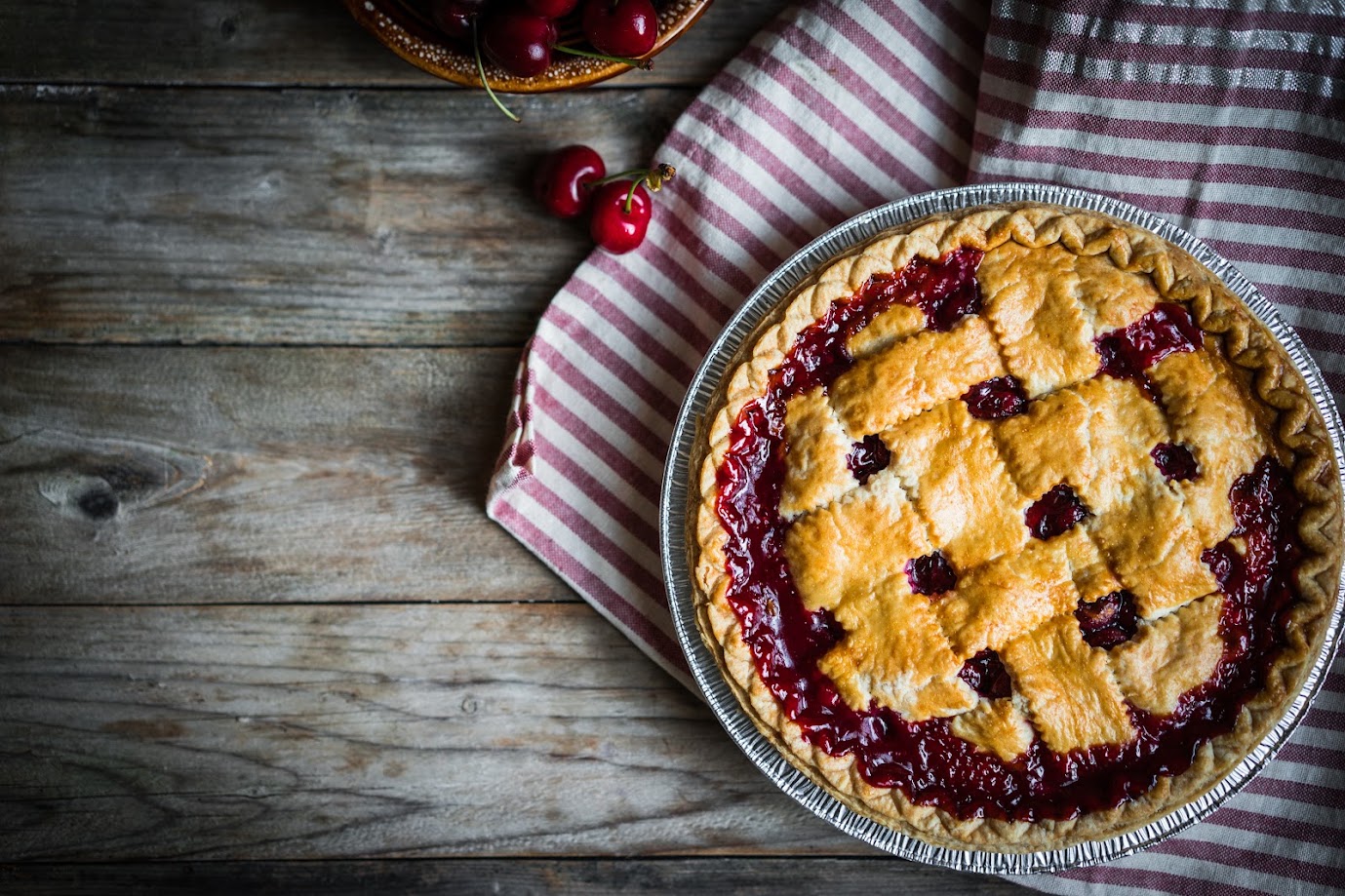
Fruit pies rank near the top. A deep-dish apple pie with a double crust can weigh over three pounds once assembled. That's a lot of downward pressure on a lightweight pan. Pecan pie and pumpkin pie follow closely because their custard-style fillings are heavy and liquid before they set during baking.
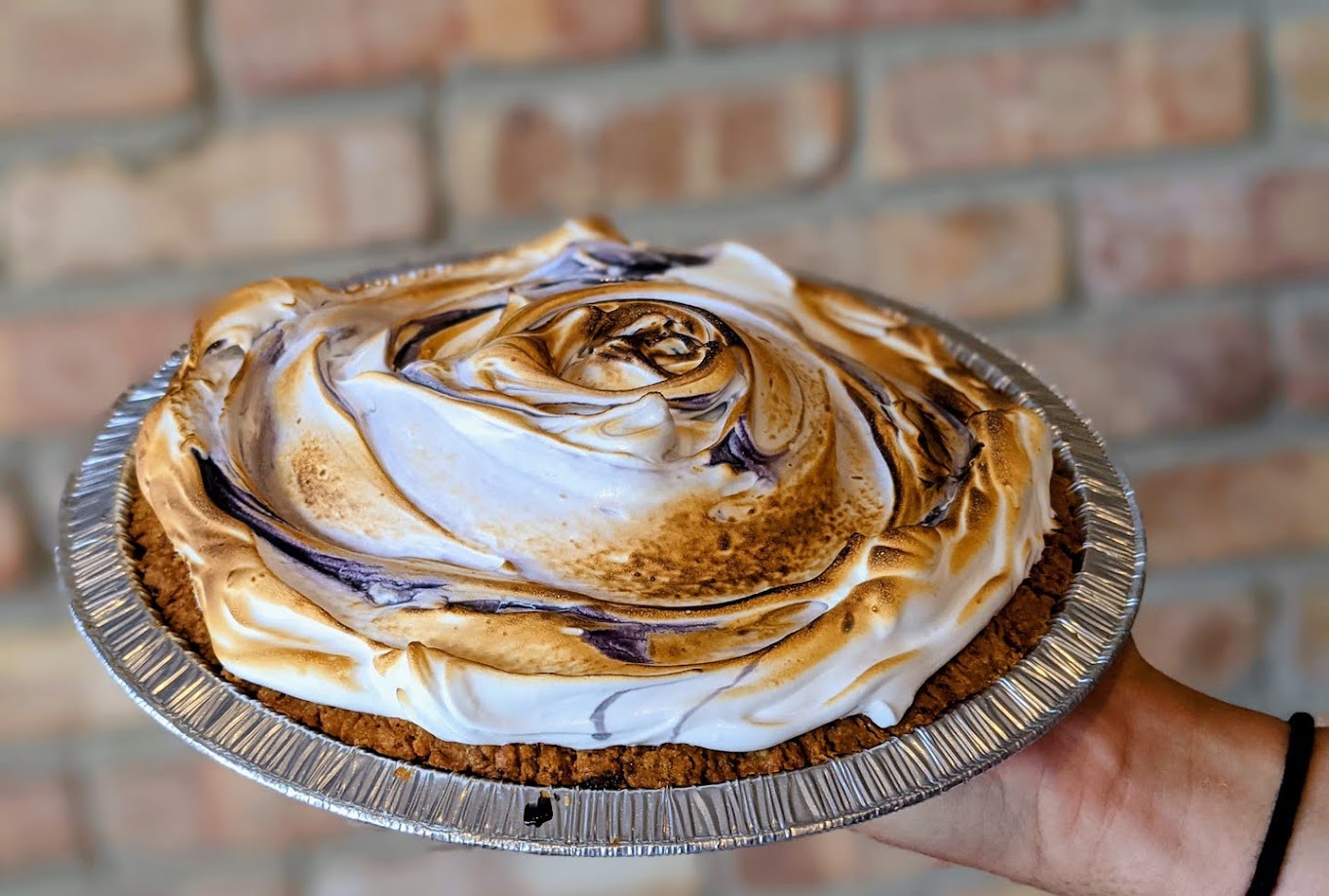
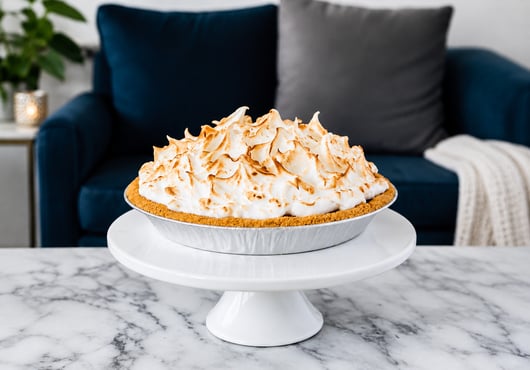
Lighter fillings like whipped cream or chiffon put very little stress on the pan. If you're making a deep-dish pie with a fruit or custard filling, pan support becomes especially important.
How Oven Heat Affects Pan Stability
Heat plays a bigger role in bending than most bakers realize. Disposable pans are so thin that they can't hold or transfer a significant amount of heat from the oven to the crust the way glass or ceramic dishes can. According to America's Test Kitchen testing, crusts bake more slowly in disposable aluminum because the thin walls don't retain enough heat.
Opening the oven door makes this worse. A glass dish stays hot for minutes, but a thin aluminum pan loses temperature in seconds, causing rapid contraction that can buckle a loaded pan. Keeping oven checks to a minimum helps maintain stable heat and reduces mid-bake flexing.
How to Prevent Disposable Pie Pans from Bending
A few simple adjustments can keep your disposable pan sturdy from filling to finished pie.
Use a Preheated Baking Sheet
Place a metal baking sheet in the oven while it preheats, then set your filled pan directly on the hot sheet. The flat, rigid surface supports the pan's base, prevents sagging, and transfers extra heat to the bottom crust for a more even bake.
Choose a Heavier-Gauge Pan
A 70-gauge pan is noticeably thicker and more rigid than a 45-gauge pan. KitchenDance offers heavyweight aluminum pie pans built to handle dense fillings without flexing. Choosing a heavier gauge from the start reduces bending risk before you add your filling.
Nest Your Pan Inside a Reusable Dish
If you plan to remove the pie from the pan after baking, try nesting the disposable pan inside a standard glass or ceramic pie dish. The rigid outer dish absorbs the weight while the disposable inner pan makes cleanup and gifting simple.
Avoid Overfilling
Filling your pan right to the brim increases weight and makes the pan harder to handle. Leave about a half inch of space below the rim. This gives the filling room to bubble during baking and reduces the overall weight pressing on the pan walls.
Cool Completely Before Moving
A hot pie filling is essentially liquid. Moving it before cooling means that liquid shifts inside the pan, pushing against the walls from different angles. Let your pie cool for at least two hours before transferring it. For catering events and transport, a rigid pie carrier adds another layer of protection.
Why Bending Matters for Catering and Bakery Operations
For home bakers, a bent pan is an annoyance. For catering directors and bakery managers handling dozens of pies at once, it's an operational problem. A pan that flexes during transport can crack a crust, shift a filling, or create an uneven presentation.
High-volume operations need disposable bakeware that handles the full workflow: filling, baking, cooling, stacking, and delivering. KitchenDance aluminum pie pans come in a variety of sizes and styles, from individual 4-inch pans to deep 10-inch formats, so you can match the pan gauge and depth to your specific filling weight.
Pairing your pie pans with bakery boxes designed for transport keeps finished pies level and protected during delivery. That combination of a sturdy pan and a rigid outer box prevents the bending and shifting that causes presentation problems on arrival.
Disposable vs. Reusable Pie Pans: When Does Bending Become a Dealbreaker?
Reusable glass and ceramic pie dishes don't bend, but they come with their own trade-offs. They're heavier, more expensive, breakable, and you need to get them back after giving a pie away. Disposable pans eliminate all of those logistics.
Bending only becomes a real issue when you use an ultra-thin pan with a very heavy filling and no support underneath. A heavy-gauge disposable pan on a baking sheet performs well for the vast majority of home and commercial pie recipes. If you're regularly baking dense pies for a bakery or food service operation, choosing a thicker-gauge pan from the start is a practical, low-cost investment that pays for itself in fewer ruined crusts.
Baking Adjustments for Disposable Pie Pans
Beyond preventing bending, disposable aluminum pans need a few tweaks for the same crust quality you'd expect from glass or ceramic.
Add up to 10 extra minutes of baking time for both blind-baked shells and double-crust pies. Aluminum reflects oven heat rather than radiating it into the crust, so that extra time helps the bottom cook through. Cover the top crust edges with foil if they brown too quickly.
Position your pie on the lowest oven rack, closer to the heating element. Combined with a preheated baking sheet, this produces a golden, fully cooked bottom crust. You'll find more baking tips for disposable pans on the KitchenDance blog.
In Conclusion: How to Stop Your Disposable Pie Pans from Bending
Disposable pie pans bend because thin aluminum walls can't fully resist the weight of dense fillings and the thermal stress of oven baking. By choosing a heavier-gauge pan, baking on a preheated sheet, and cooling before moving, you'll keep your pies stable and your crusts intact.
KitchenDance carries disposable aluminum pie pans in multiple sizes and gauges, ready to ship for your next bake or catering event. Browse the pie and tart pan collection to find the right fit for your filling.
FAQs About Disposable Pie Pan Bending
Why does my disposable pie pan bend when I pick it up?
Thin aluminum walls flex under the concentrated weight of your filling and crust. The heavier the pie, the more the base sags. Using a heavier-gauge pan from KitchenDance reduces flex, and always support the pan from underneath when lifting.
Can I double up two disposable pie pans to prevent bending?
Yes, stacking two pans together adds rigidity. The doubled walls distribute weight more evenly and resist flex better than a single pan. It's a quick fix if you don't have a baking sheet handy.
Do KitchenDance pie pans resist bending better than standard grocery store pans?
KitchenDance offers heavyweight aluminum pie pans built to handle denser fillings. The thicker gauge provides more structural support during baking and transport, making them a practical choice for both home bakers and food service operations.
What's the safest way to transport a pie in a disposable pan?
Let the pie cool completely, then place it on a flat, rigid surface like a cutting board or inside a bakery box. KitchenDance carries bakery boxes designed to keep pies level during transport, reducing the risk of bending and filling shifts.
Does the type of filling affect how much a disposable pan bends?
Dense, wet fillings like fruit and custard put more downward pressure on the pan than lighter fillings like whipped cream or chiffon. If you're baking a heavy pie, pair it with a thicker-gauge KitchenDance pan for added support.