
Spring is one of the most exciting seasons for fresh produce. After months of hearty winter vegetables and stored goods, April brings a vibrant wave of ingredients that are lighter, brighter, and packed with flavor. But here’s the challenge many home cooks face, spring ingredients spoil quickly if they aren’t stored properly. Strawberries soften within days, herbs wilt overnight, and asparagus loses its crisp texture fast if handled incorrectly.
This guide breaks down the most important spring ingredients to start using in April and, more importantly, exactly how to store each one so you can reduce waste, extend freshness, and get the most value out of every grocery trip.
Why Spring Ingredients Spoil Faster and What You Can Do About It
Spring produce is naturally more delicate than winter crops. Many of these foods contain higher water content and thinner skins, which makes them more sensitive to:
- Temperature fluctuations
- Excess moisture or humidity
- Air exposure
- Ethylene gas from other produce
The good news? With the right storage methods, like humidity control, airtight containers, and proper refrigeration vs. room temperature separation, you can dramatically extend shelf life. Let’s break down the best seasonal ingredients and how to handle each one correctly.
1. Strawberries: Sweet but Highly Perishable
Strawberries are one of the first fruits to peak in spring, and they’re also one of the fastest to spoil.

| How to Select the Best Strawberries
Look for:
- Bright red color all over
- Green, fresh-looking caps
- Firm texture (not soft or mushy)
- No signs of mold at the bottom of the container
| Best Storage Method for Strawberries
Step 1: Do NOT wash immediately
Moisture is the biggest enemy of strawberries. Washing them before storage introduces water that encourages mold growth.
Step 2: Use a breathable container
Store strawberries in a container lined with a paper towel. This absorbs excess moisture while still allowing airflow.
Step 3: Control humidity
Strawberries prefer low humidity environments. If your refrigerator has a humidity drawer:
- Set it to low humidity
Step 4: Refrigerate immediately
Keep strawberries at 32–36°F in the fridge.
| Bonus Tip: Vinegar rinse for longevity
A quick rinse (before storage, not after purchase) using:
- 1 part vinegar + 3 parts water
helps kill mold spores. Dry completely before refrigerating.
| Common Mistake to Avoid
Never seal strawberries in an airtight container without ventilation. Trapped moisture speeds up decay.
2. Lemons: The Most Versatile Spring Citrus
Lemons are at their peak in spring and are used in everything from dressings to desserts.

| Room Temperature vs Refrigerator Storage
- Room temperature: 5–7 days (more juice yield)
- Refrigerator: 3–4 weeks (long-term storage)
| Best Storage Method for Lemons
Short-term use (within a week)
Keep lemons at room temperature in a bowl away from sunlight.
Long-term storage
Place lemons in:
- An airtight container or sealed bag
- Refrigerator crisper drawer
| Humidity control tip
Lemons prefer moderate humidity, so avoid overly dry fridge zones or overly damp produce drawers.
| Extra Pro Tip: Juice preservation
If you buy lemons in bulk:
- Juice them
- Freeze juice in ice cube trays
This helps reduce waste and gives you instant flavor boosts for cooking.
| Common Mistake to Avoid
Leaving lemons exposed to air for long periods causes dehydration and hard rinds.
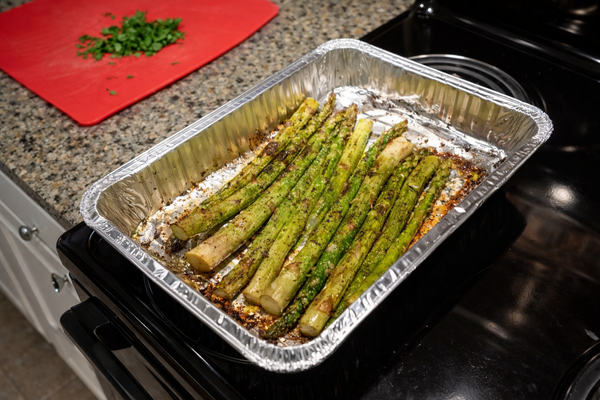
3. Asparagus: Crisp, Tender, and Highly Sensitive
Asparagus is one of spring’s signature vegetables, but it loses quality fast if not stored correctly.
| How to Store Asparagus Properly
Step 1: Trim the ends
Cut about 1 inch off the bottom before storing.
Step 2: Use water storage method
Treat asparagus like fresh flowers:
- Place stalks upright in a jar or cup with 1–2 inches of water
- Cover loosely with a plastic bag
Step 3: Refrigerate
Store in the fridge (preferably in a low-humidity zone).
| Why this works
Asparagus continues to “drink” water after harvest. Keeping the ends hydrated preserves crispness and prevents rubbery texture.
| Alternative method: Airtight container
If vertical storage isn’t possible:
- Wrap ends in damp paper towel
- Place in airtight container
| Common Mistake to Avoid
Leaving asparagus loose in the fridge causes dehydration and woody texture within 24–48 hours.
4. Fresh Herbs (Basil, Cilantro, Parsley, Dill)
Herbs are essential in spring cooking, but they’re also one of the most frequently wasted ingredients.
| How to Store Soft Herbs (Cilantro, Parsley, Dill)
Best method: Jar + refrigeration
- Trim stems
- Place in a jar with 1–2 inches of water
- Loosely cover with a plastic bag
- Refrigerate
This mimics fresh plant conditions and keeps herbs alive longer.
| Humidity tip
Herbs prefer moderate humidity, but too much moisture on leaves causes rot. Keep leaves dry while stems stay hydrated.
| How to Store Basil (special case)
Basil does NOT like cold temperatures.
- Store at room temperature
- Place in a jar with water
- Keep away from direct sunlight
- Do NOT refrigerate (turns black quickly)
| Alternative storage: Herb freezing
For long-term use:
- Chop herbs
- Freeze in ice cube trays with olive oil or water
Perfect for soups, sauces, and sautés.
| Common Mistake to Avoid
Sealing fresh herbs in airtight containers without moisture control leads to rapid wilting or slime formation.
5. Radishes: Crunchy but Quick to Lose Texture
Radishes are a crisp spring vegetable often used in salads and garnishes.
| Best Storage Method for Radishes
Step 1: Remove greens immediately
The leaves draw moisture from the root, making radishes go soft faster.
Step 2: Store roots separately
- Place radishes in an airtight container
- Add a damp paper towel for humidity balance
- Refrigerate in crisper drawer
| Humidity control tip
Radishes need moderate humidity—too dry and they shrivel, too wet and they rot.
| Bonus Tip
Radish greens can be sautéed like spinach. Don’t throw them away.
| Common Mistake to Avoid
Leaving greens attached during storage shortens shelf life by several days.
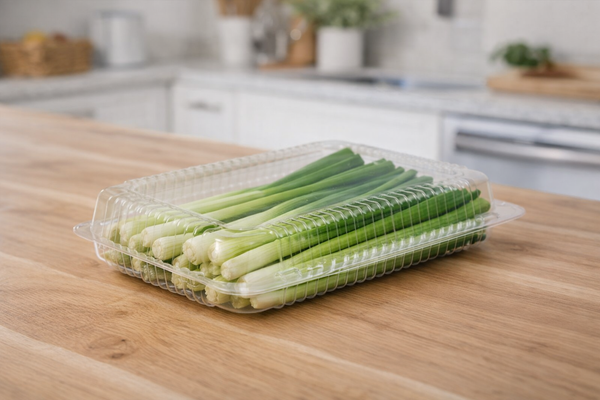
6. Green Onions (Scallions): The Easiest Herb-Vegetable Hybrid
Green onions are one of the most forgiving spring ingredients, but they still benefit from proper storage.
| Best Storage Method
Option 1: Water jar method
- Place roots in a jar of water
- Store in fridge or on counter
- Change water every 2–3 days
Option 2: Paper towel method
- Wrap in slightly damp paper towel
- Store in airtight container in fridge
| Humidity preference
Green onions thrive in moderate humidity with slight moisture retention, making them ideal for simple water storage.
| Common Mistake to Avoid
Sealing dry scallions without moisture causes limp, rubbery texture.
Smart Spring Storage Strategy (Put It All Together)
If you want to reduce waste and keep your kitchen organized, follow this simple system:
Low humidity storage (fridge dry zones)
- Strawberries
- Radishes
Moderate humidity storage (crisper drawer)
- Lemons
- Asparagus
- Green onions
Room temperature storage
- Basil
- Whole lemons (short-term)
Hydration-based storage
- Asparagus (water jar method)
- Herbs (cilantro, parsley, dill)
Why Proper Storage Matters More in Spring
Spring produce is:
- More delicate
- More water-rich
- More flavor-sensitive
- More expensive per pound due to seasonality
Improper storage leads to:
- Food waste
- Loss of nutrients
- Reduced flavor quality
- Extra grocery spending
But when stored correctly, these ingredients last longer, taste better, and make everyday cooking easier and more enjoyable.
Final Thoughts
Spring ingredients are some of the most flavorful and versatile foods of the year, but they do require a bit more care than heartier produce. When you understand how humidity, airflow, temperature, and moisture affect each item, you can significantly extend freshness, reduce spoilage, and get far more value out of every grocery trip.
The key is learning how each category behaves in storage. Some ingredients last longer in cool, dry environments, while others need controlled humidity or even hydration to maintain their texture and flavor. Basil and citrus, for example, thrive at room temperature for short-term use, while berries and radishes stay freshest in cooler, low-humidity conditions. Meanwhile, asparagus and scallions benefit from added moisture, and herbs like cilantro and parsley last longer when their stems are kept in water.
Once you start applying these small but effective storage habits, your kitchen naturally becomes more organized and efficient. Your produce lasts longer, your meals taste fresher, and you reduce unnecessary waste and spending without extra effort. Spring cooking isn’t just about what you buy, it’s about how well you preserve it.